For Couples Who Choose to See Each Other at the Aisle
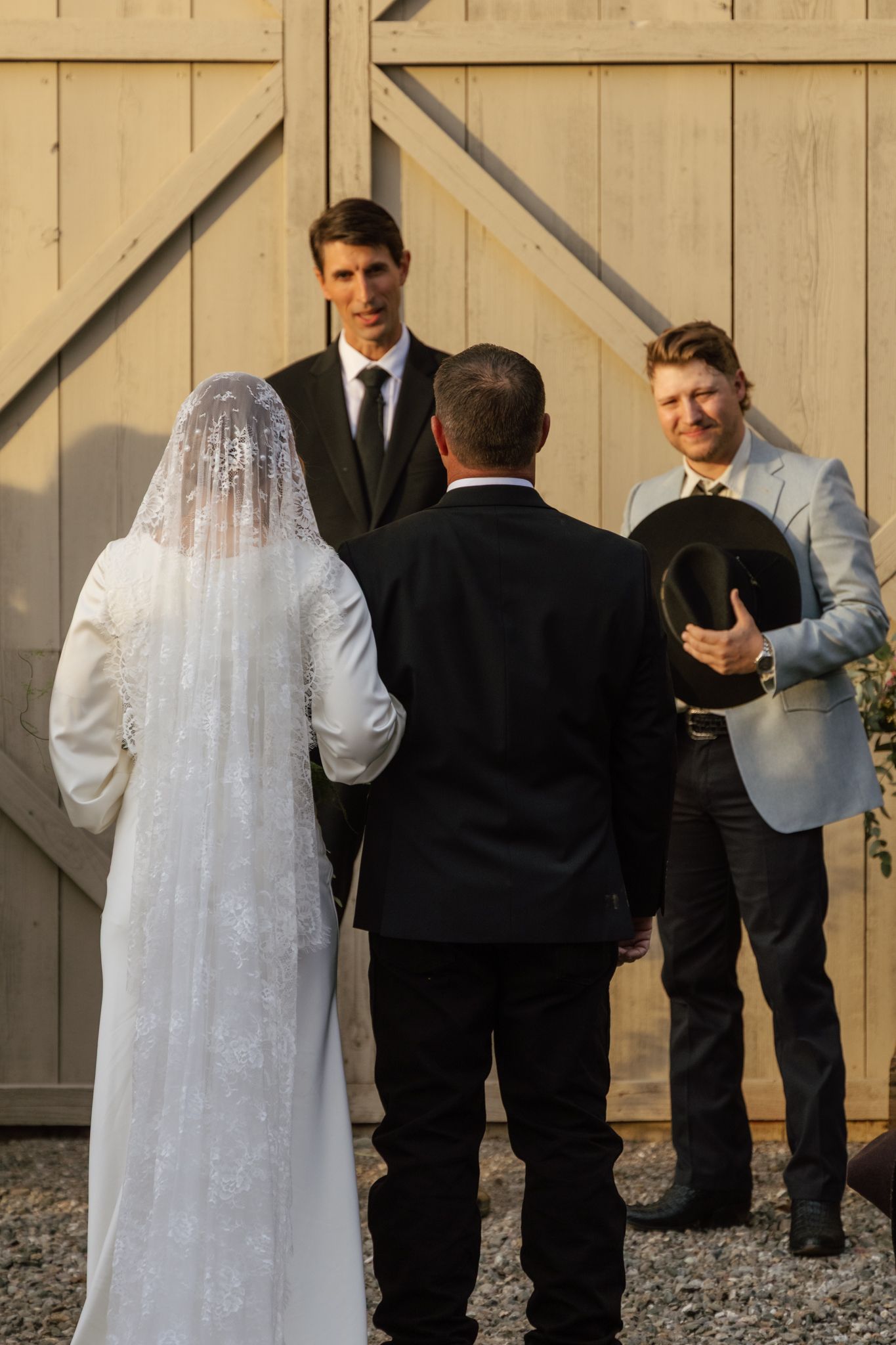
This sample timeline is designed for couples planning a 4:00 PM ceremony without a first look. It prioritizes emotional moments, natural pacing, and ideal lighting while allowing flexibility based on coverage length, venue layout, and season.
Rather than focusing on a specific number of coverage hours, this timeline illustrates a realistic flow of events that keeps the day calm, intentional, and photography friendly.
What Should Be Completed Before Photography Coverage Begins
To make the most of your photography coverage and keep the wedding day running smoothly, the following items should be completed or nearly complete by the time your photographer arrives.
This allows coverage to begin intentionally rather than catching up.
Hair and Makeup
- Hair and makeup should be at least 90 percent complete
- Final touch ups should be all that remains
- Bride should be in a robe or getting ready outfit that photographs well
- This ensures polished portraits and avoids delays early in coverage.
Getting Ready Space
- Room should be clean and clutter free
- Bags, food, hangers, and extra items placed out of sight
- Windows uncovered to allow natural light when possible
- Natural light and a calm space make a noticeable difference in photos.
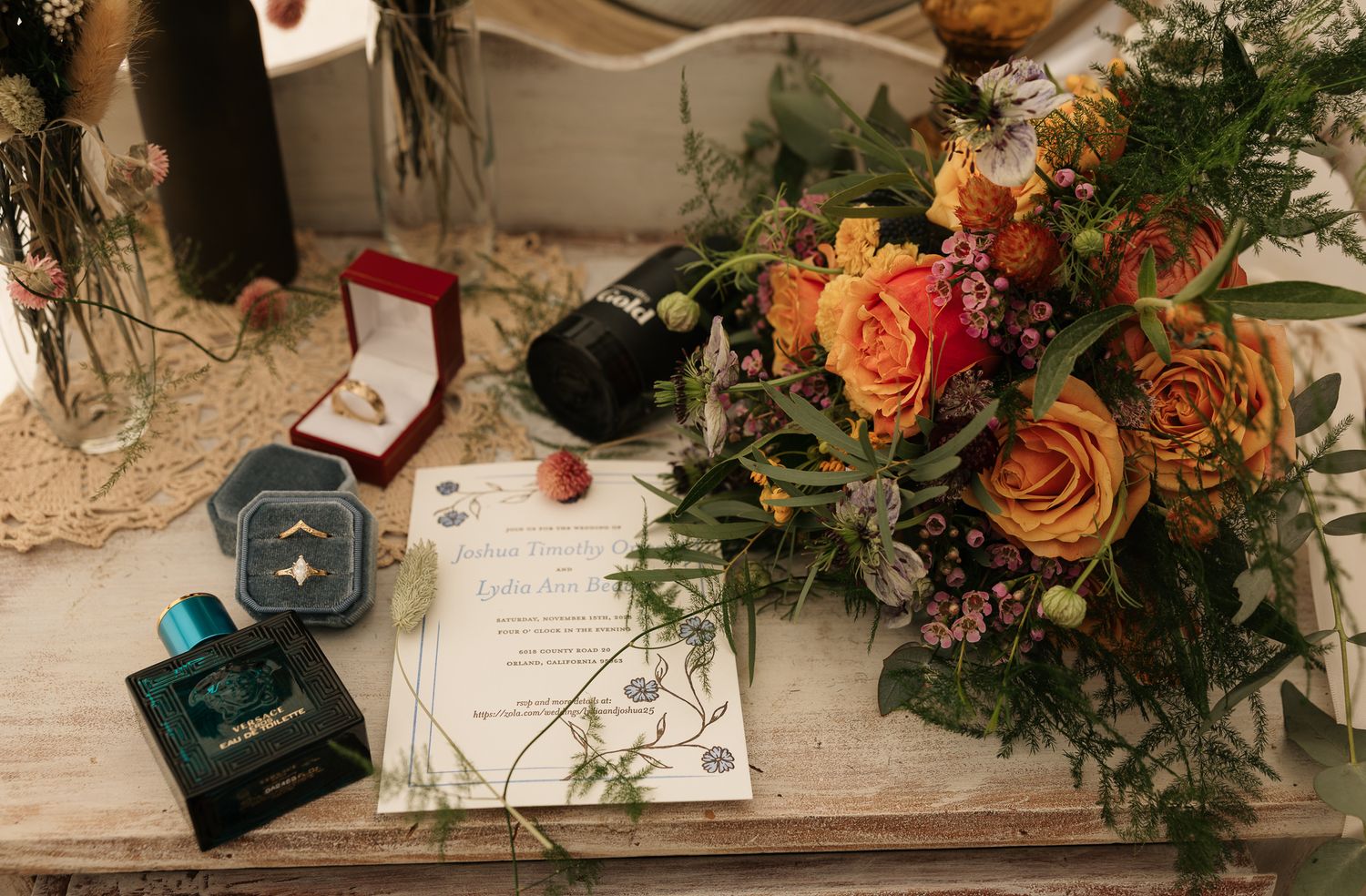
Details Gathered in One Place
- Details Gathered in One Place
- Please have the following items ready when your photographer arrives
- Invitation suite
- Rings and ring boxes
- Shoes
- Jewelry
- Vows or letters
- Any heirlooms or sentimental items
- Having these together allows detail photos to be completed efficiently.
Dress and Attire Ready
- Wedding dress removed from garment bag
- Dress on a clean hanger
- Veil steamed and ready
- Groom’s suit or tux accessible and wrinkle free
Coverage begins
(Ideally between 12:30pm - 1:00pm)
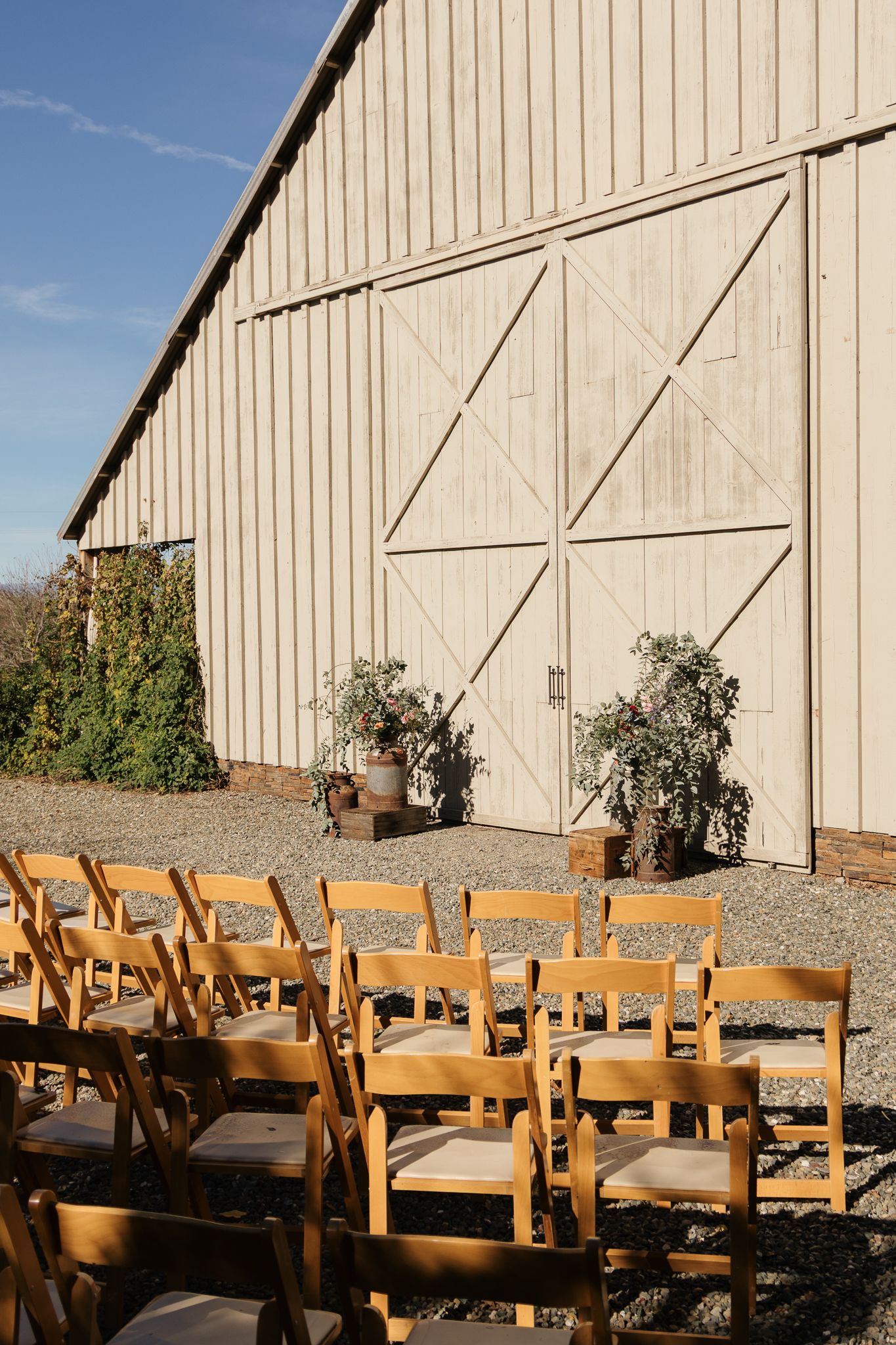
At this point, your photographer will be on site and begin documenting the day with intention, capturing venue details and refined flat lays, connecting with key vendors, checking in with both partners, and photographing the final, unhurried getting ready moments of the wedding party.
This portion of the timeline focuses on capturing the story as it unfolds naturally while keeping the day calm, efficient, and flexible. Times may shift slightly based on location, season, and vendor coordination, but the order of events remains consistent.
Coverage Begins
When photography coverage begins, the focus is on setting the visual tone of the day and documenting details that will not be recreated later.
- Coverage typically includes
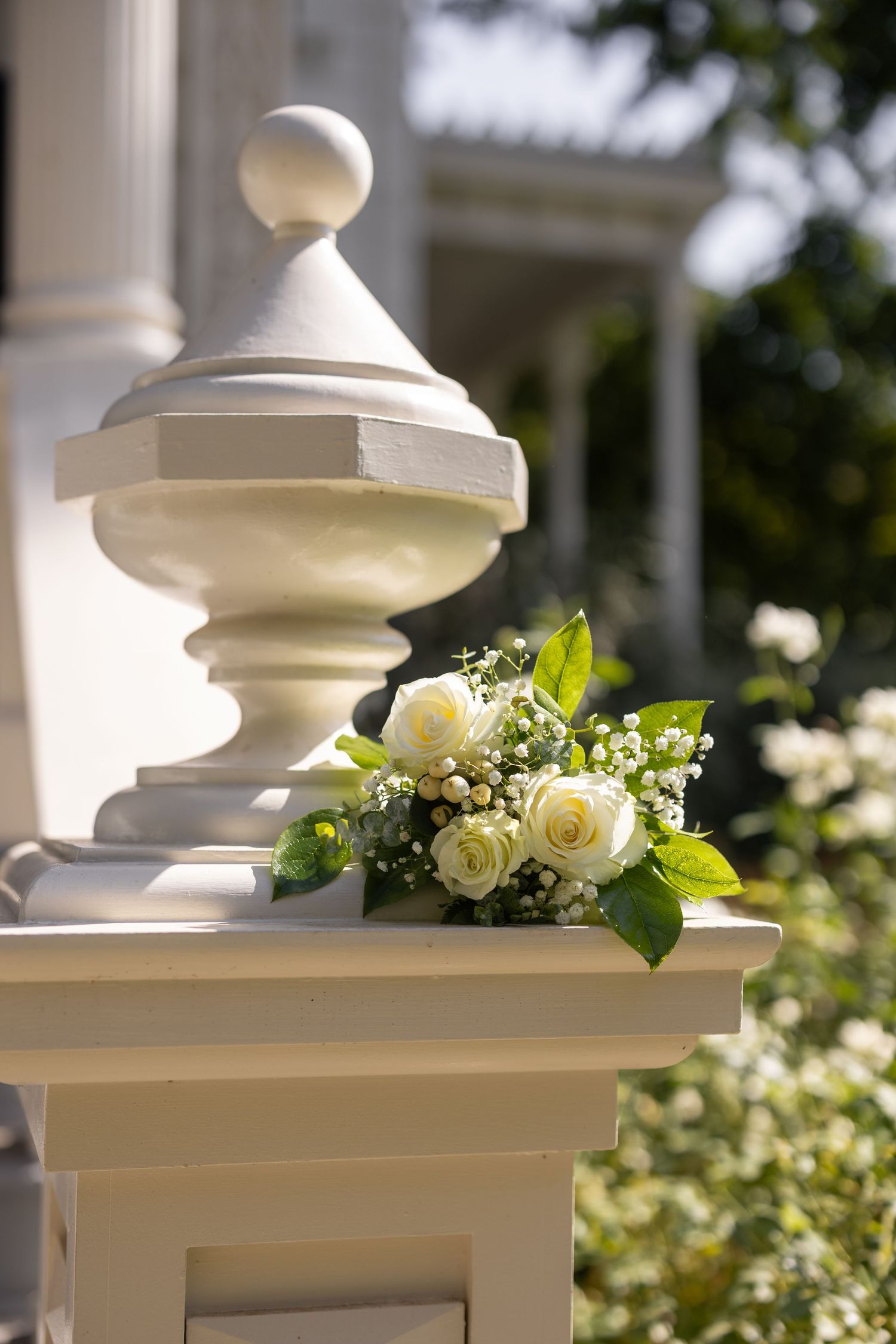
- Wedding day details and flat lays
- Venue wide shots and ceremony setup
- Reception details if available
- Natural candids as the space comes together
This portion is best completed before guests arrive to preserve a clean, untouched look.
early afternoon
(Ideally between 1:30pm - 2:00pm)
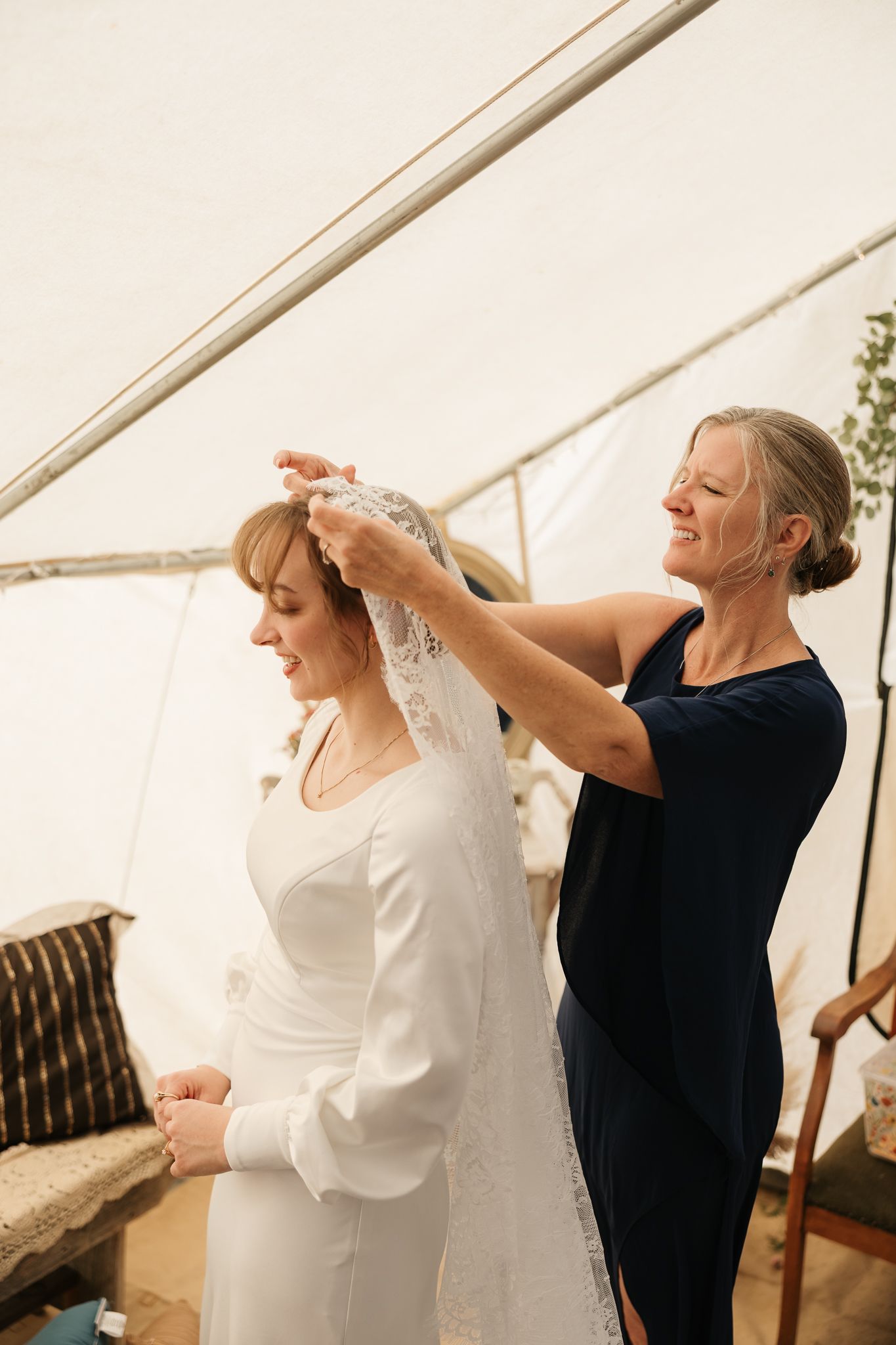
During this time, the bride may step into her gown, with a meaningful person assisting with the final dress touches. This window is also ideal for optional wedding party or family first looks, allowing these moments to unfold naturally and without rush.
MId afternoon
(ideally between 2:00pm -3:00pm)
During this time, the bridal party and the bride’s immediate family may gather for a few relaxed group portraits. Immediately following, the groom can step into his attire, allowing time for groomsmen photos. Solo portraits of both partners are also captured during this window, preserving time later in the day and keeping the overall timeline seamless.
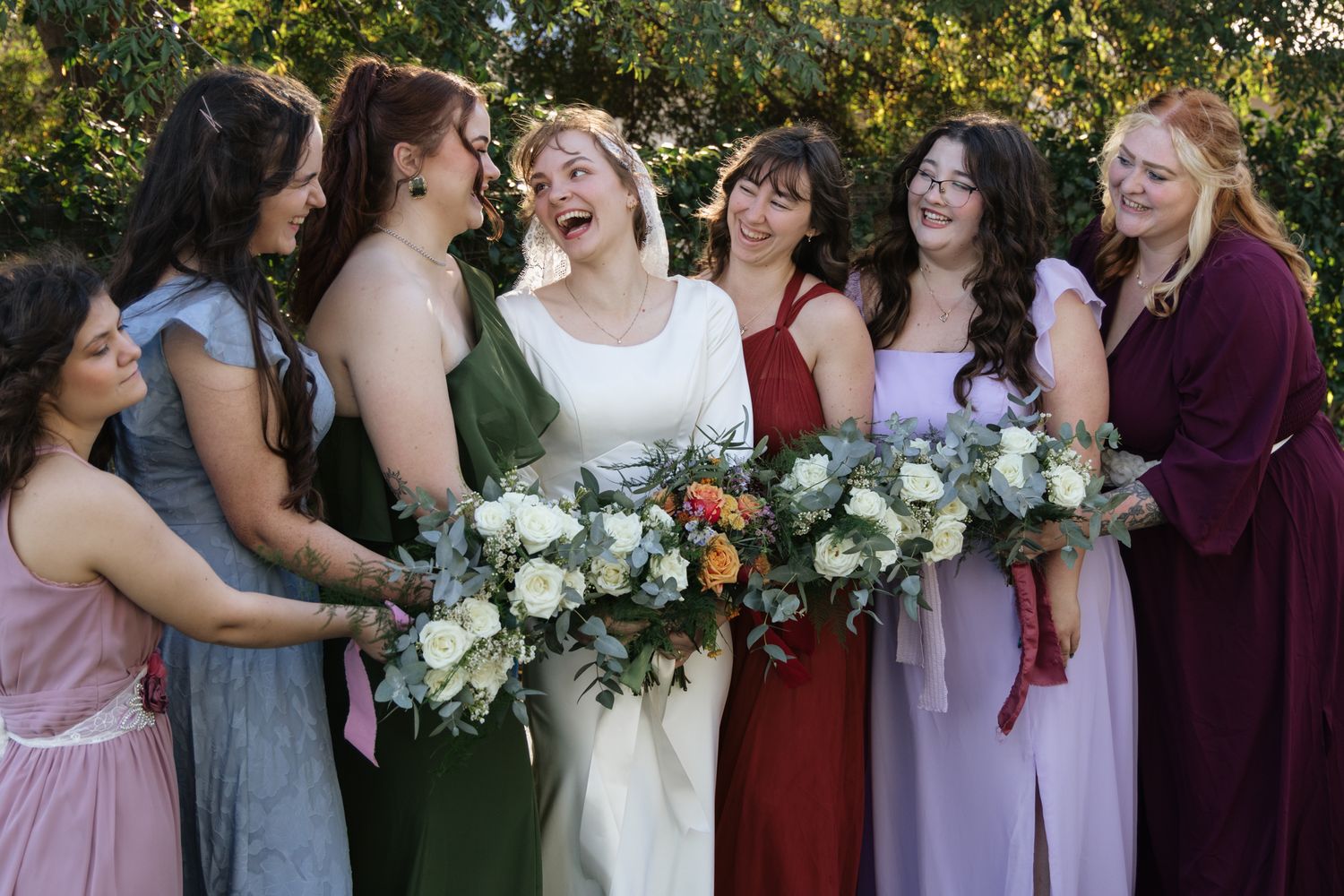
Ceremony PREPARATION
(By 3:30pm)
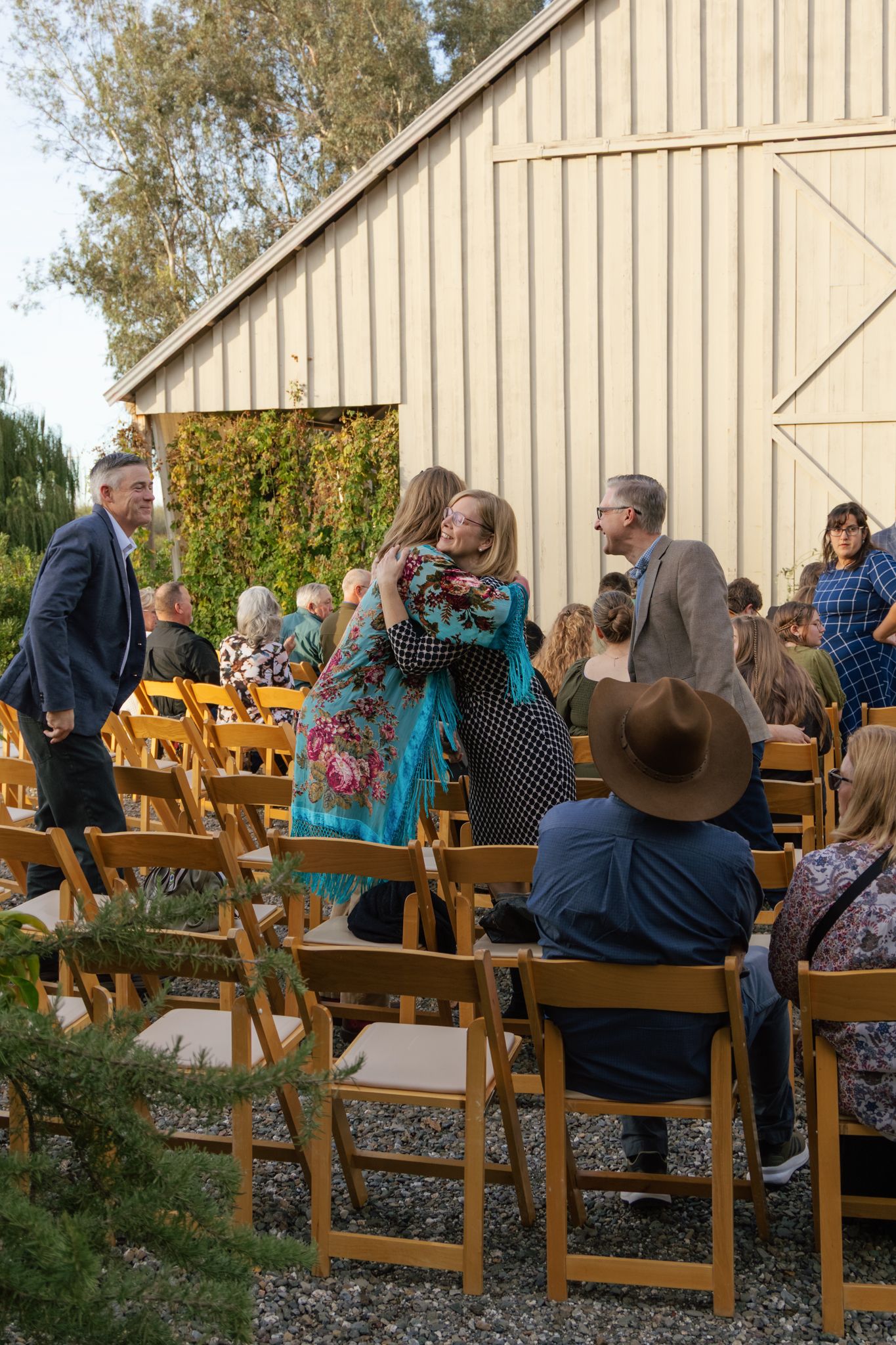
As the ceremony time approaches, the pace of the timeline intentionally slows to allow for final logistical preparations. This window is used to finalize ceremony details, accommodate guest arrival, and allow the photographer to confirm positioning, lighting, and lens selections. It also provides structured buffer time for transitions and unforeseen delays, while giving the couple a moment to mentally reset before the ceremony. This buffer is critical to maintaining an on time ceremony start and overall timeline integrity
From Start of Coverage to Ceremony
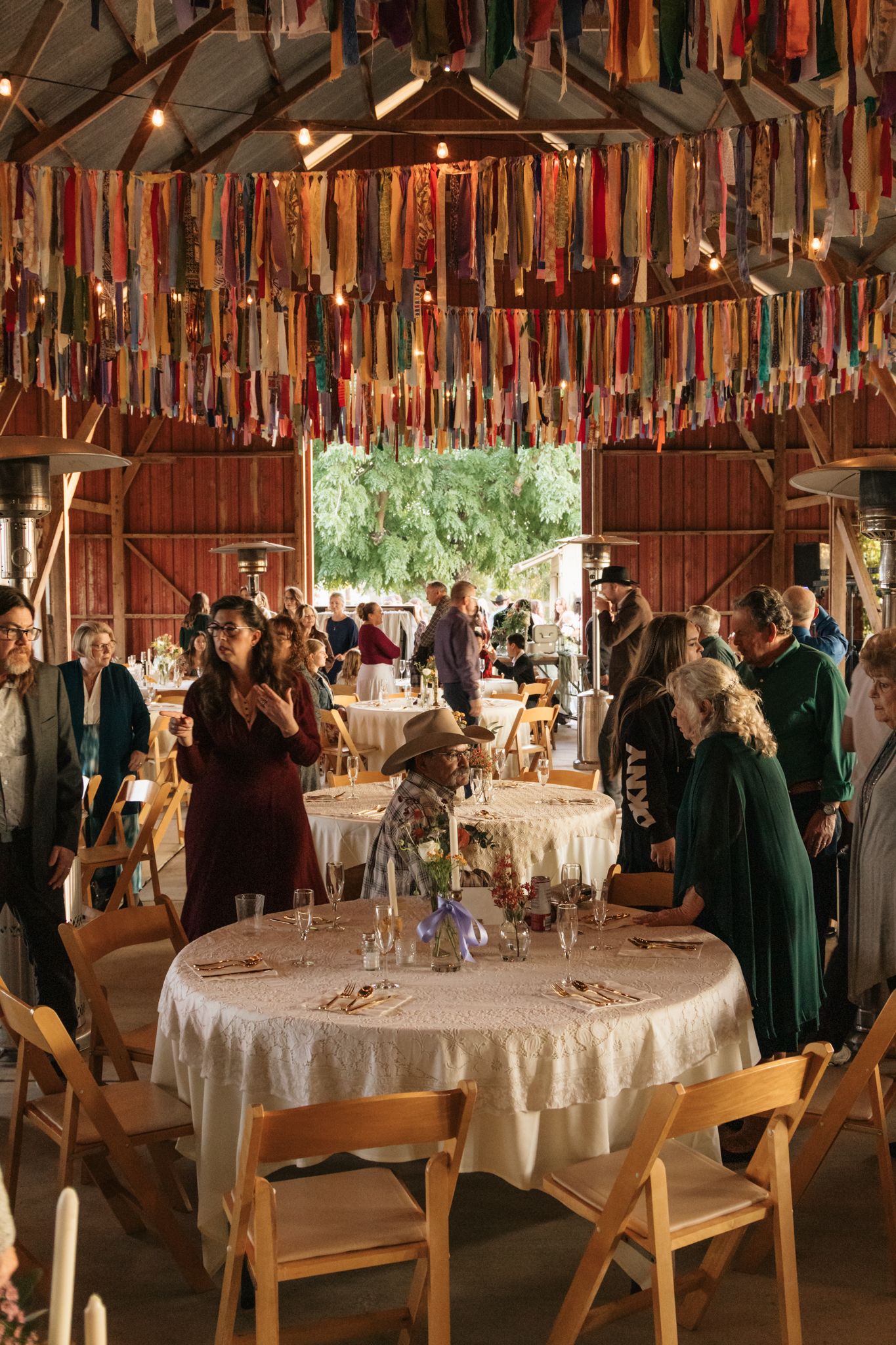
Cocktail hour- formal portraits
(Usually between 4:30pm - 5:30pm, depending on ceremony length)
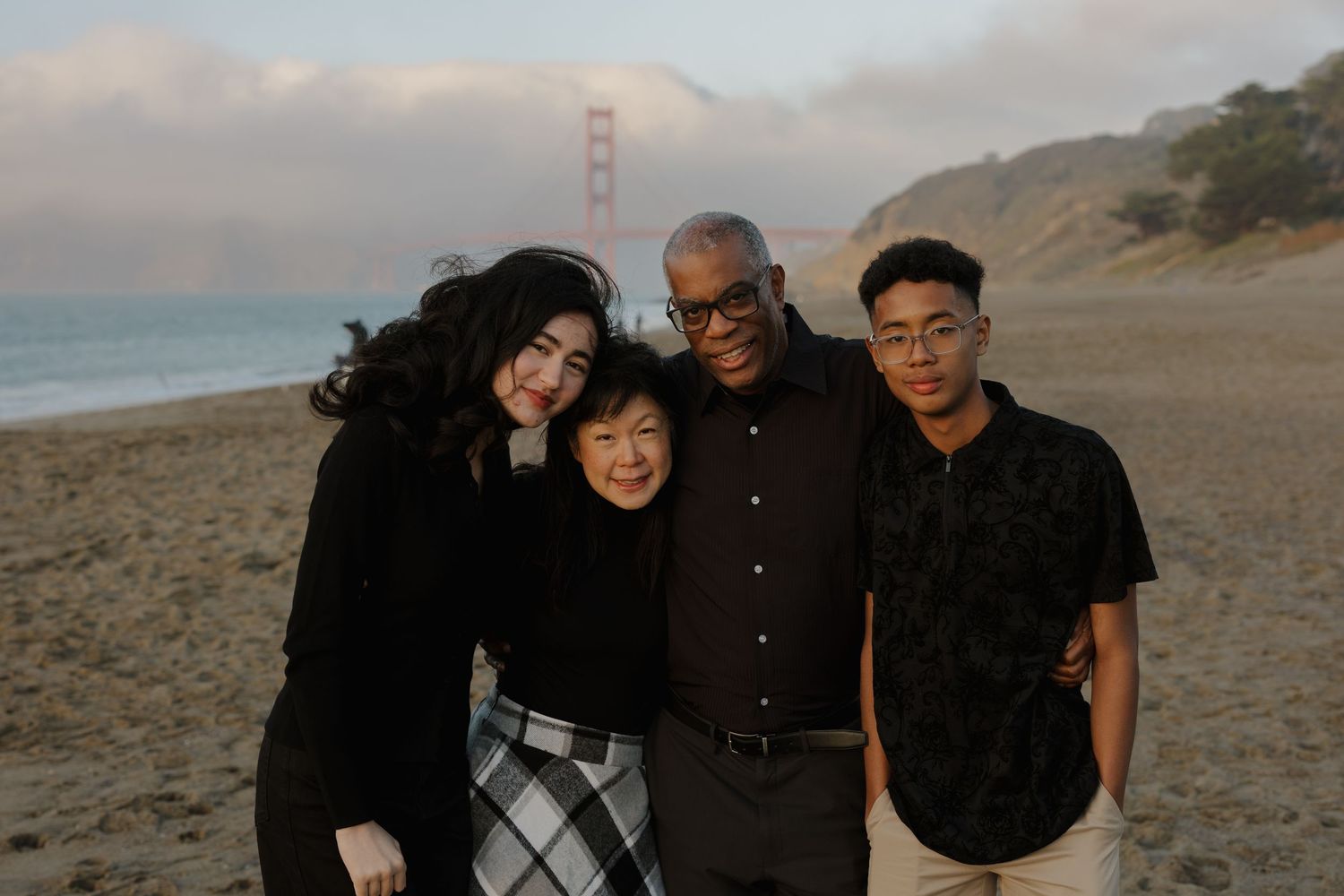
Immediately following the ceremony, extended family portraits are completed in a structured and efficient manner. Groupings are pre planned in advance to minimize time away from guests and maintain momentum. Once family portraits are complete, a short window is reserved for initial bride and groom portraits. These portraits are intentionally concise, allowing the couple to step away briefly while preserving guest experience and keeping the overall timeline on track.
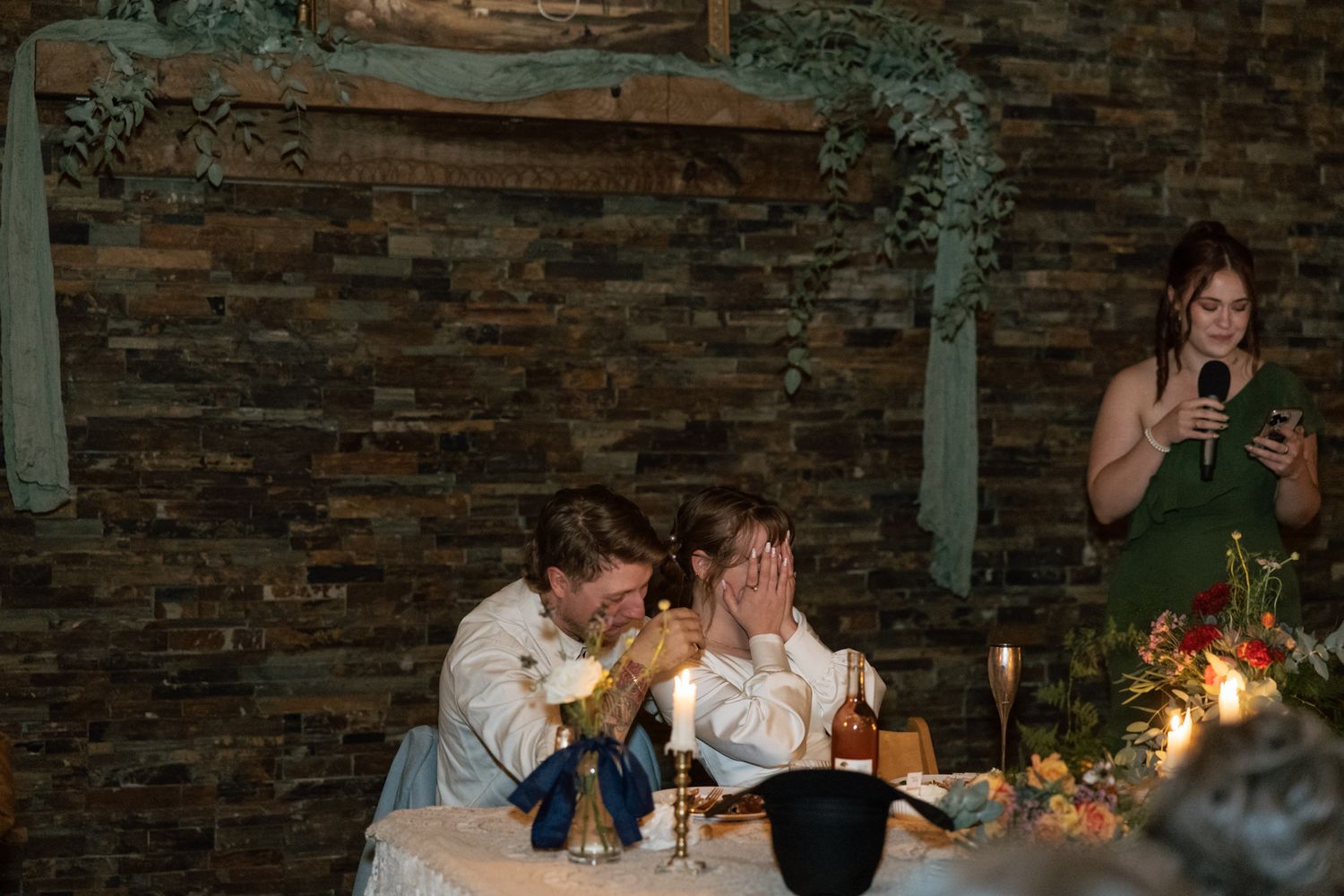
Reception Coverage - candid and minimal
(usually starting around 5:45pm - 6:00pm)
Following post ceremony portraits, coverage transitions into the reception portion of the day. This includes photographing the reception space before guest entry when possible, documenting table settings, florals, signage, and overall design elements. Guest candids and cocktail hour coverage occur during this time, capturing interactions and atmosphere while maintaining the natural flow of the event.
This window also allows the couple to rejoin their guests, ensuring minimal disruption to the guest experience.
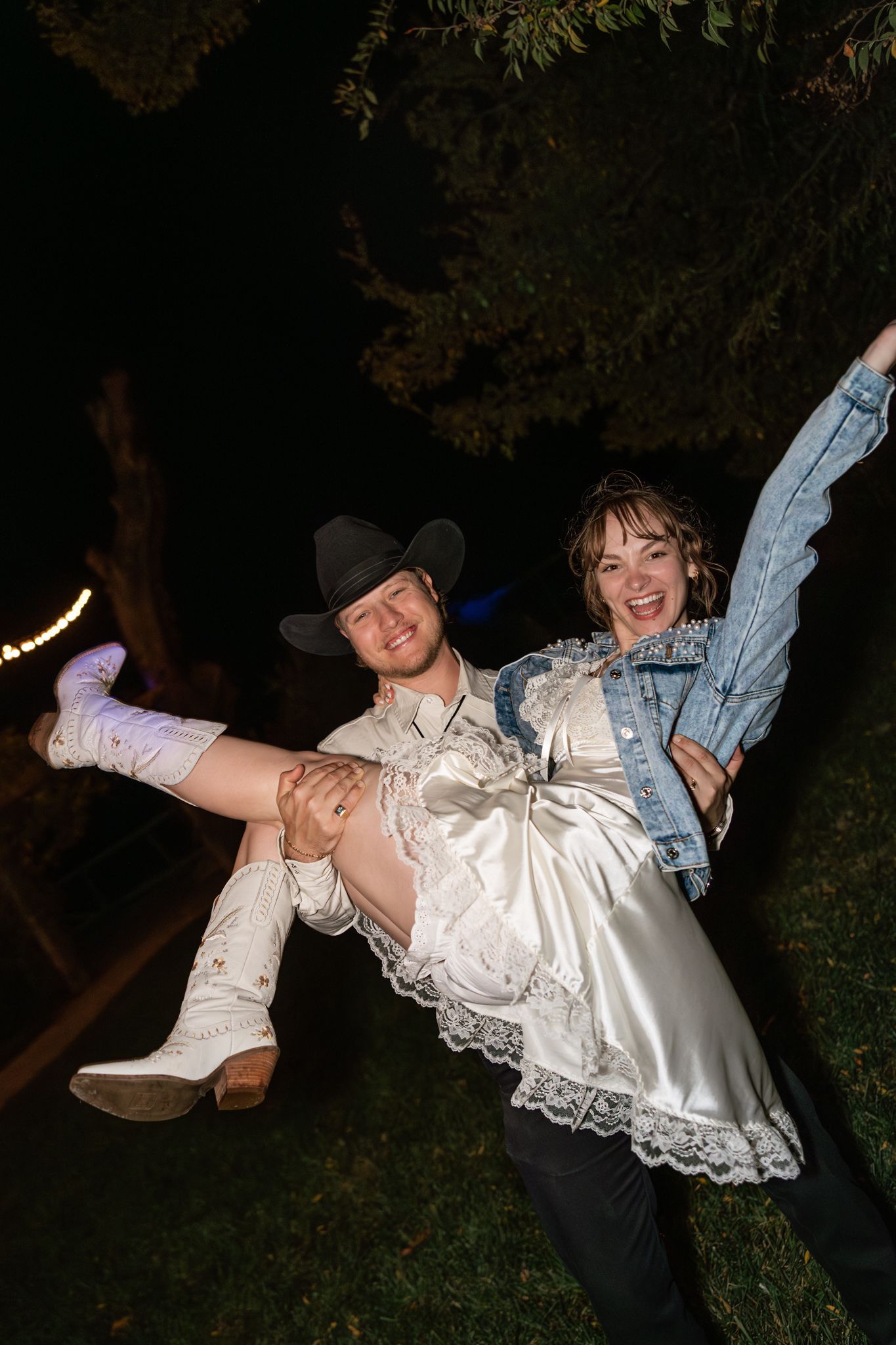
Sunset or late night portraits
(Dependent on season, usually between 6:00pm - 7:30pm)
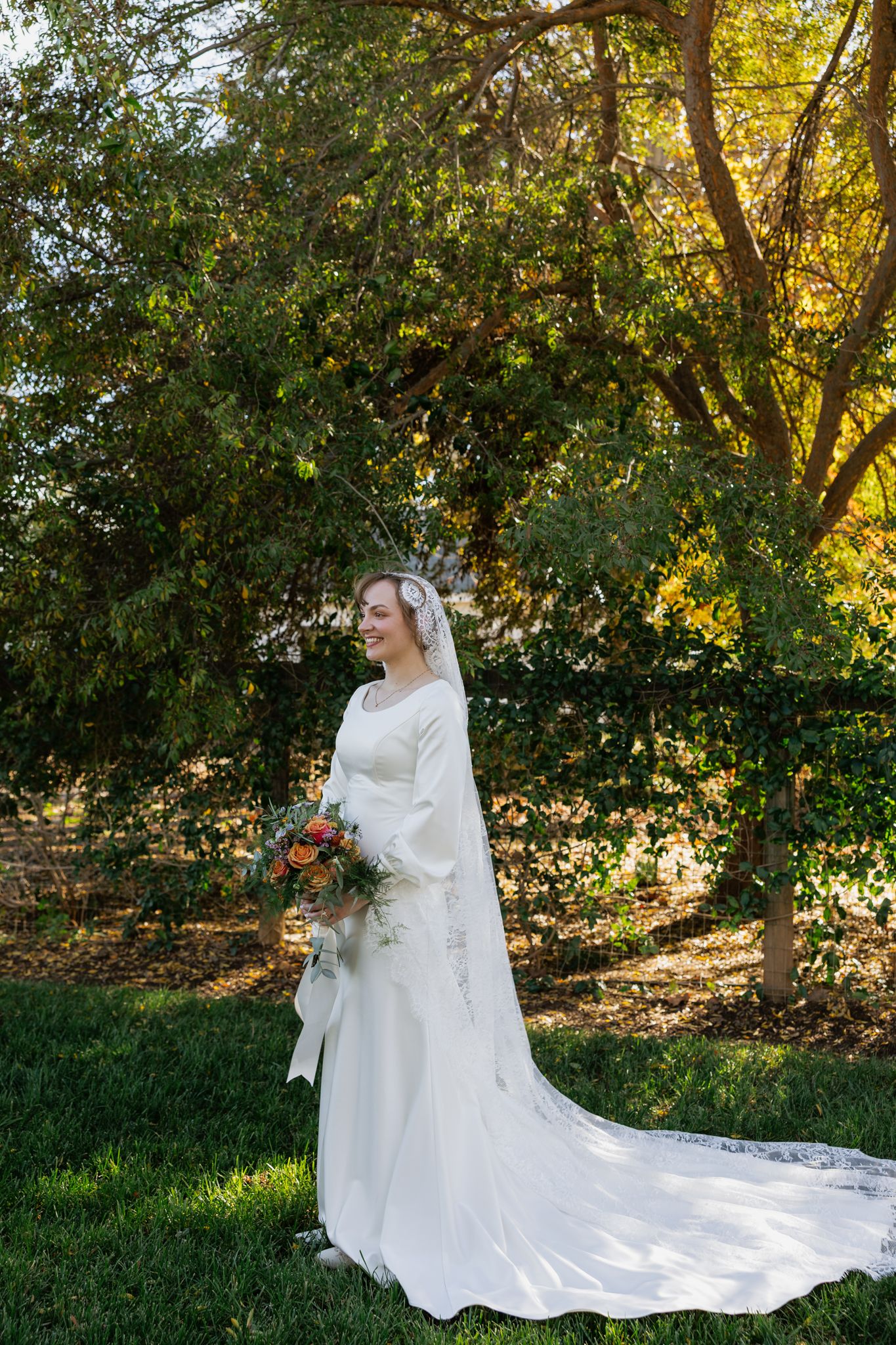
As sunset approaches, a dedicated window is reserved for golden hour portraits. This portion of the timeline is intentionally brief and scheduled based on lighting conditions rather than a fixed clock time. The couple steps away for a focused portrait session, allowing the photographer to work with softer light, directional angles, and a quieter, more intimate atmosphere.
Depending on the season and ceremony timing, the golden hour window may be limited or missed entirely. In these cases, late evening portraits may be captured instead, offering a more creative, relaxed, and editorial approach. While equally beautiful, this shift in timing is an important consideration when discussing overall coverage length and priorities.
Every wedding day is unique, and while timelines provide structure, coverage length ultimately determines how much flexibility and breathing room the day allows. We recommend reviewing your timeline with your wedding photographer to ensure your coverage supports the moments that matter most to you, from calm pre ceremony portraits to sunset or evening imagery. A thoughtful conversation early in the planning process can help avoid rushed transitions and ensure your photography coverage aligns seamlessly with the flow of your day.