You're right on track
Before We Get Into the Details
Planning a wedding for 2026 can feel exciting and overwhelming all at once. If you’re here, you’ve already done one of the biggest things right, you’ve booked your photographer. This wedding photography prep timeline is meant to help you feel supported and confident as you plan, without adding more to your plate. Instead of trying to think about everything at once, this guide walks through the process in simple phases, so you can focus on what actually matters at each stage and enjoy the experience along the way.
Set the tone
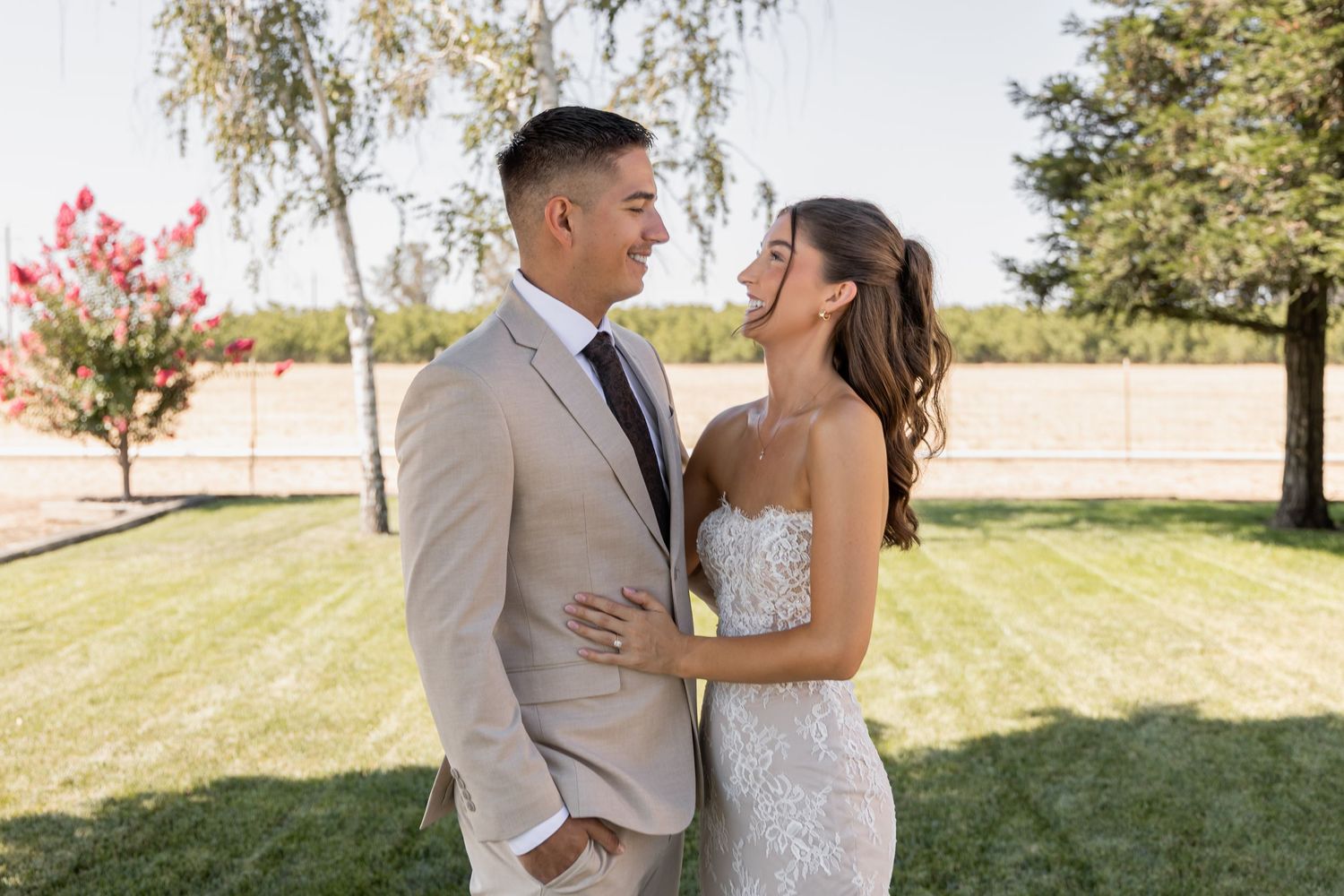
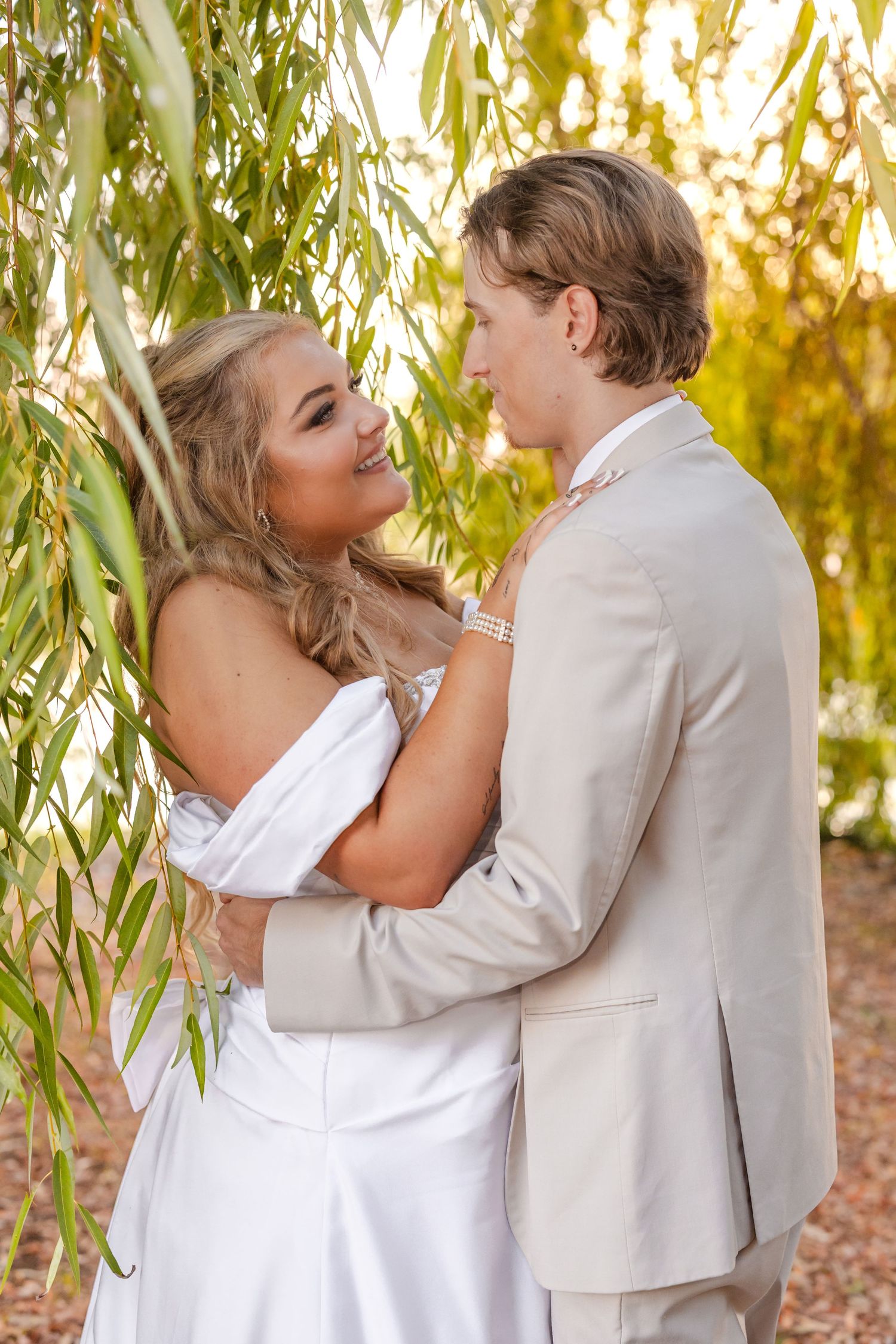
This stage is all about setting the tone for your wedding. Engagement photos often become the first images you share with friends and family, whether that’s through save the dates, your wedding website, or early announcements. Rather than overthinking every detail, focus on choosing photos that feel like you and reflect the overall vibe you’re envisioning for your day.
This is also a great time to think about how you’ll use your images. Some couples prefer a more formal look for printed save the dates, while others lean into something relaxed and natural for their website. There’s no right or wrong choice, the goal is simply to start your wedding story in a way that feels intentional and authentic.
A Quick Tip About Save the Dates
If you’re planning to send physical save the dates, keeping them simple can be a smart way to save on costs. Many couples choose a clean, minimal design and put more of their budget toward their formal invitations or day of details. Save the dates are mainly about sharing the information early, your names, date, and location, so they don’t need to be overly elaborate to be meaningful.
If you’re using engagement photos, one strong image is often more impactful than trying to fit multiple photos onto a single card. Simple layouts tend to age better and allow your photos to really shine.
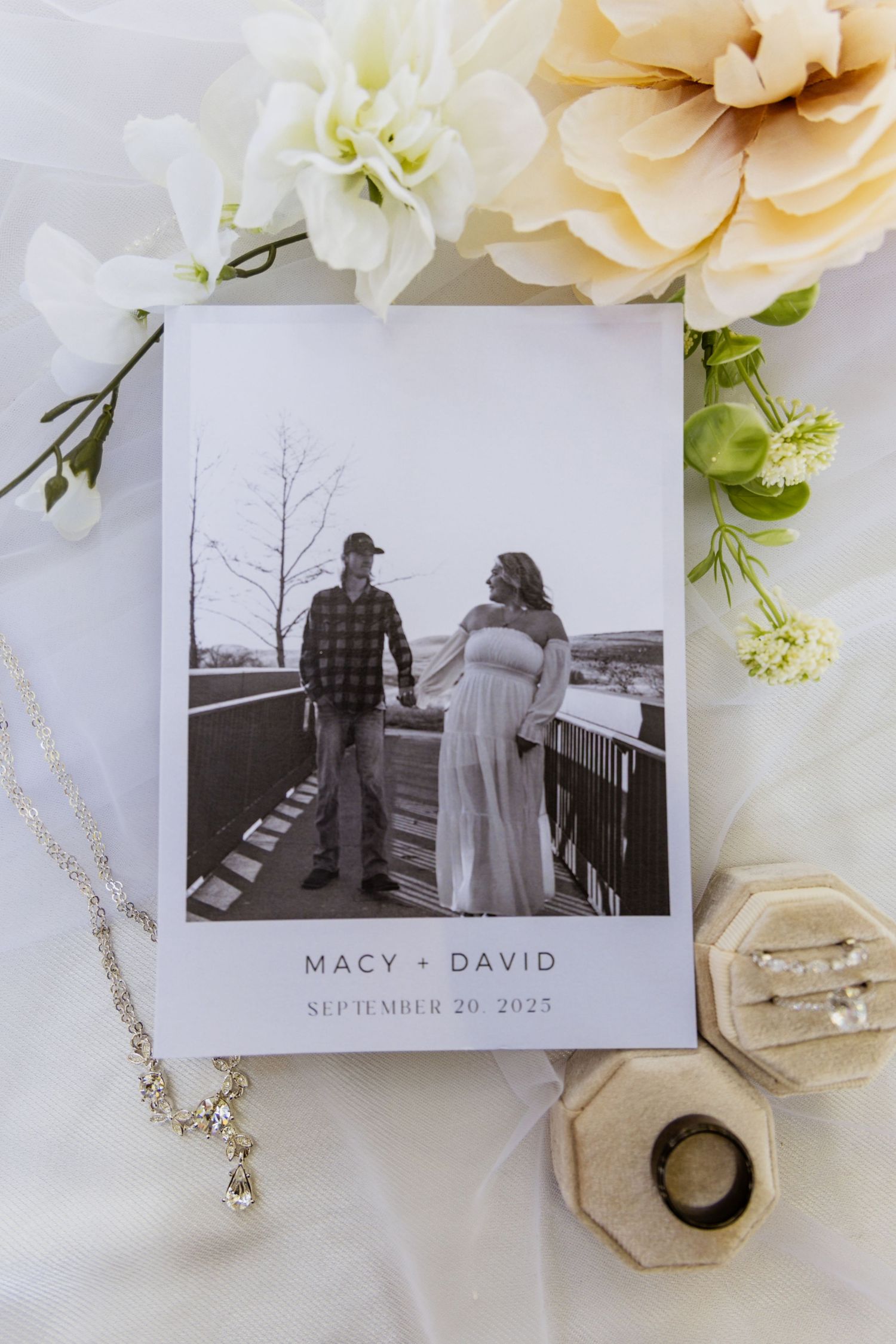
8 TO 9 MONTHS OUT, SAVE THE DATES
6 to 7 Months Out, Venue Flow and Initial Timeline
Around this point in planning, it’s helpful to start thinking about how your venue functions and how the day might naturally flow. This doesn’t mean locking in a final timeline yet, it’s more about understanding ceremony time, season, and how different parts of the day connect from a photography perspective.
Early timeline conversations help identify what will work best for light, portraits, and pacing. This is especially helpful if your venue has multiple spaces or a structured schedule. Having these discussions early allows for flexibility later and helps avoid last minute stress.
A Helpful Tip
If you’re unsure about ceremony time, think about light first, not tradition. A ceremony that starts slightly later can create softer light for portraits and a more relaxed transition into the evening. This is something we can talk through together well before anything is finalized.
If you’re still deciding whether a first look makes sense for your day, I’ve shared a full breakdown of how that choice impacts your timeline and photos here.
4 to 5 months, Portrait Timing Expectations
Around this stage, many couples start wondering how long portraits will take and how they’ll fit into the day. From a photography perspective, portrait time isn’t about moving through a checklist or rushing from one pose to the next. It’s about building intentional space into the timeline so moments can unfold naturally and without pressure.
Portrait timing also impacts how relaxed the day feels overall. When time is too tight, everything can feel rushed, even moments that are meant to be joyful. When there’s breathing room built in, transitions feel smoother, communication is clearer, and you’re able to enjoy your wedding without constantly watching the clock. This is something we’ll continue refining together as your plans come together.
A Helpful Tip
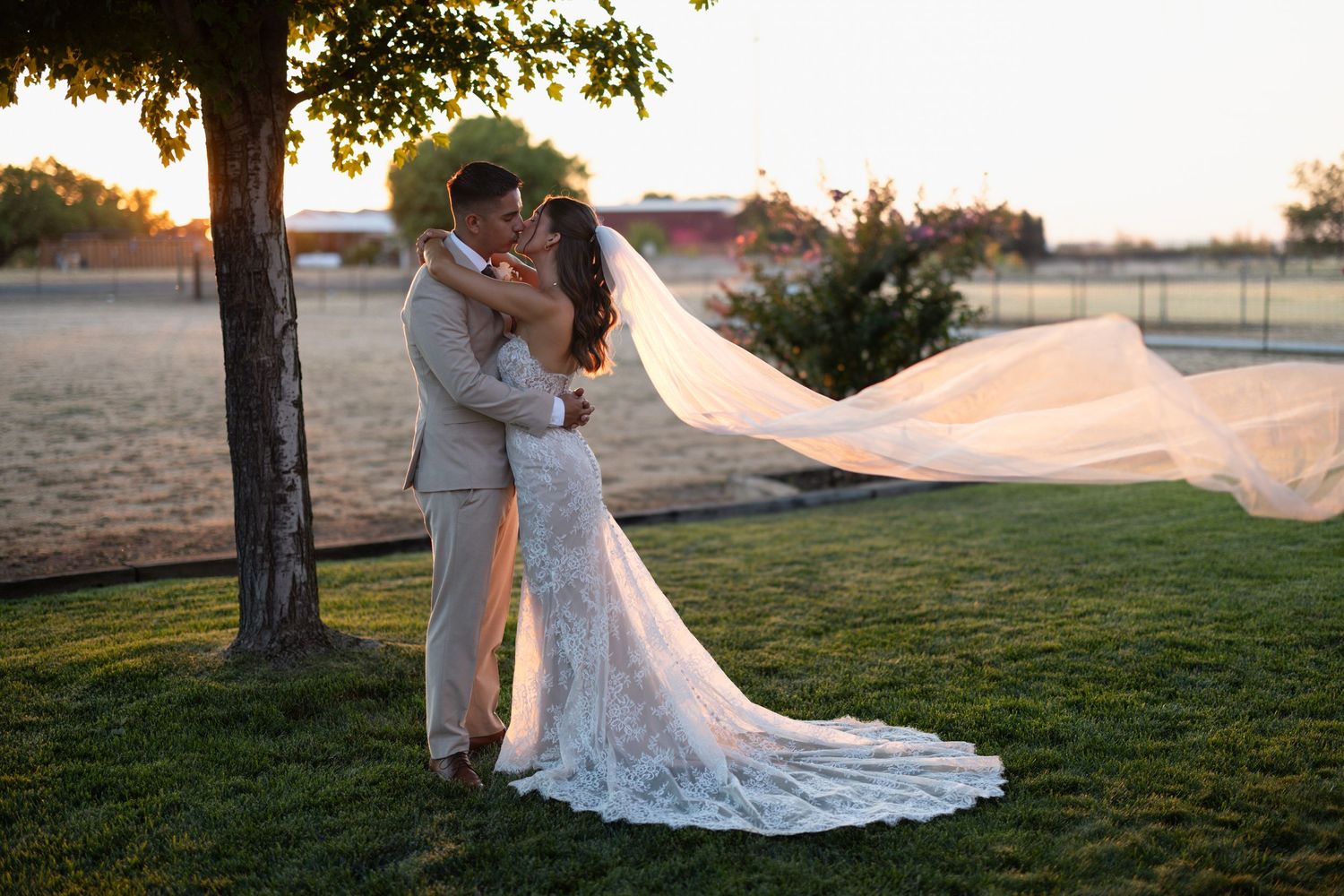
More portrait time doesn’t take away from your wedding day, it often enhances it. Thoughtfully planned portrait windows allow for flexibility, better light, and a calmer experience, which ultimately leads to images that feel natural, unforced, and true to how the day felt.
2 to 3 Months Out, Photo Priorities and Final Alignment
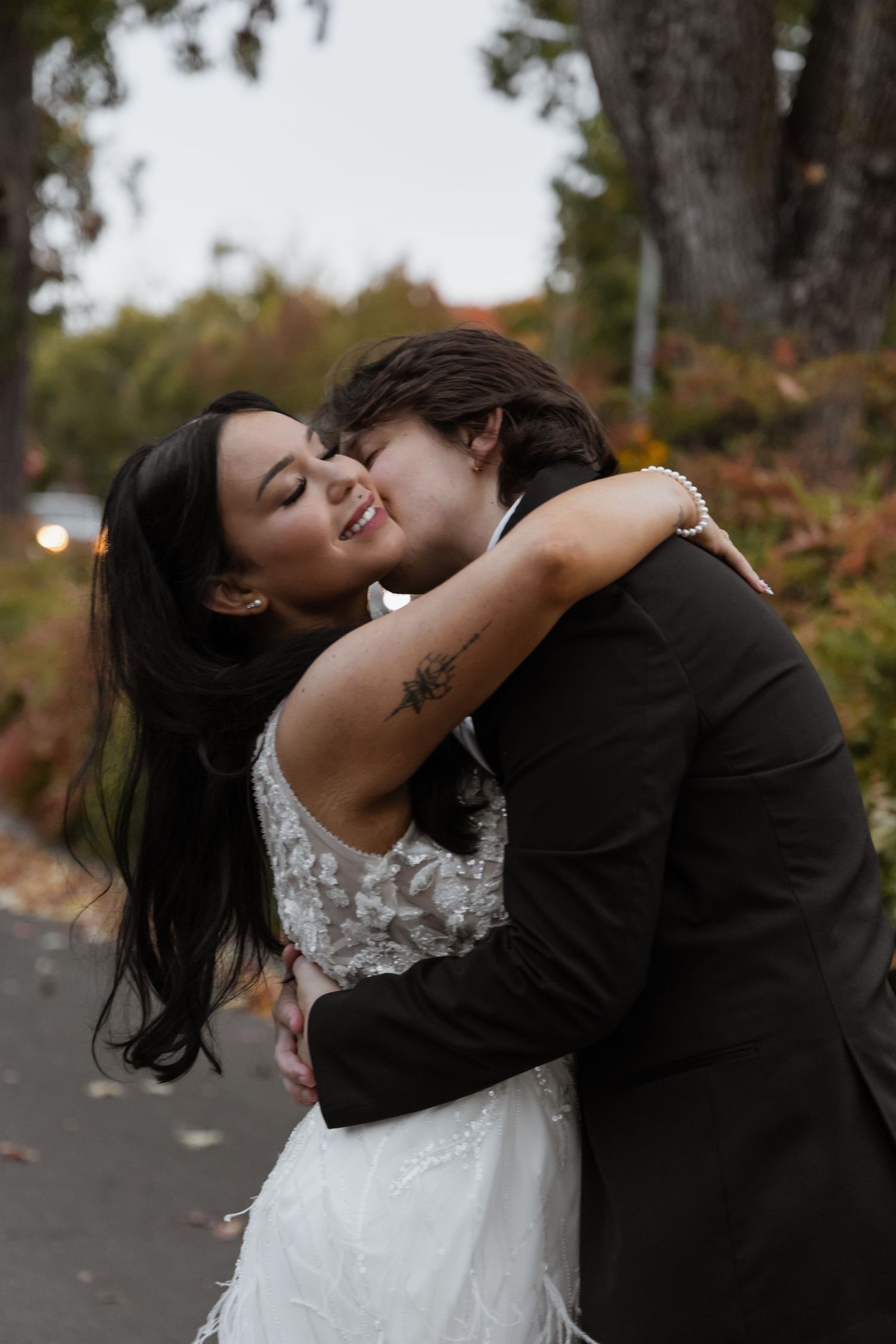
This stage is all about clarity and communication. Instead of focusing on long shot lists, this is when we start talking through what truly matters to you, the moments, people, and parts of the day you care about most. Priorities help guide the day in a way that feels intentional and flexible, rather than rigid or stressful.
This is also when alignment really comes together. Clear communication between you, your photographer, and any planner or coordinator helps ensure everyone is working toward the same vision. When expectations are shared and understood ahead of time, the wedding day itself feels calmer and more cohesive.
A Helpful Tip
Rather than creating a detailed shot list, think in terms of priorities. Identifying what’s most important to you allows your photographer to focus on capturing meaningful moments as they naturally happen, without feeling constrained by a checklist.

1 Month Out, Final Prep and Letting Go
The final month before your wedding is less about planning and more about trust. By this point, your timeline is nearly finalized, your vendors are aligned, and the most important work has already been done. From a photography perspective, this is when everything comes together naturally.
This stage is about shifting your mindset from preparation to presence. Letting go of small details and trusting the team you’ve chosen allows you to be fully in the moment on your wedding day. When couples feel calm and supported, their photos reflect that energy, genuine, emotional, and true to the experience.

Before You Get to the Big Day
Preparing for your wedding doesn’t mean having every detail perfectly planned months in advance. It means approaching each stage with intention, knowing what to focus on when the time is right, and trusting the process along the way. By breaking photography prep into manageable phases, you give yourself space to stay organized without feeling overwhelmed.
As your wedding day approaches, remember that the most meaningful photos come from being present and enjoying the experience. Everything we’ve planned is there to support that. When you allow the day to unfold naturally, your photos will reflect not just how your wedding looked, but how it truly felt.